Let me start with the thing that has to be said before anyone gets too fired up: most people in Grass Lake are nice.
They wave. They hold doors. They tell you when a road is closed, when a dog is missing, and which gas station has the better coffee. In real life, this town is full of people who would help you jump a battery in February.
Then you open the forums.
Suddenly, a normal question like "Does anybody know what time the fireworks start?" turns into a 47-comment investigation into everything wrong with America, the village, the school board, roundabouts, teenagers, and probably seed oils.
And the profile pictures always tell a story.
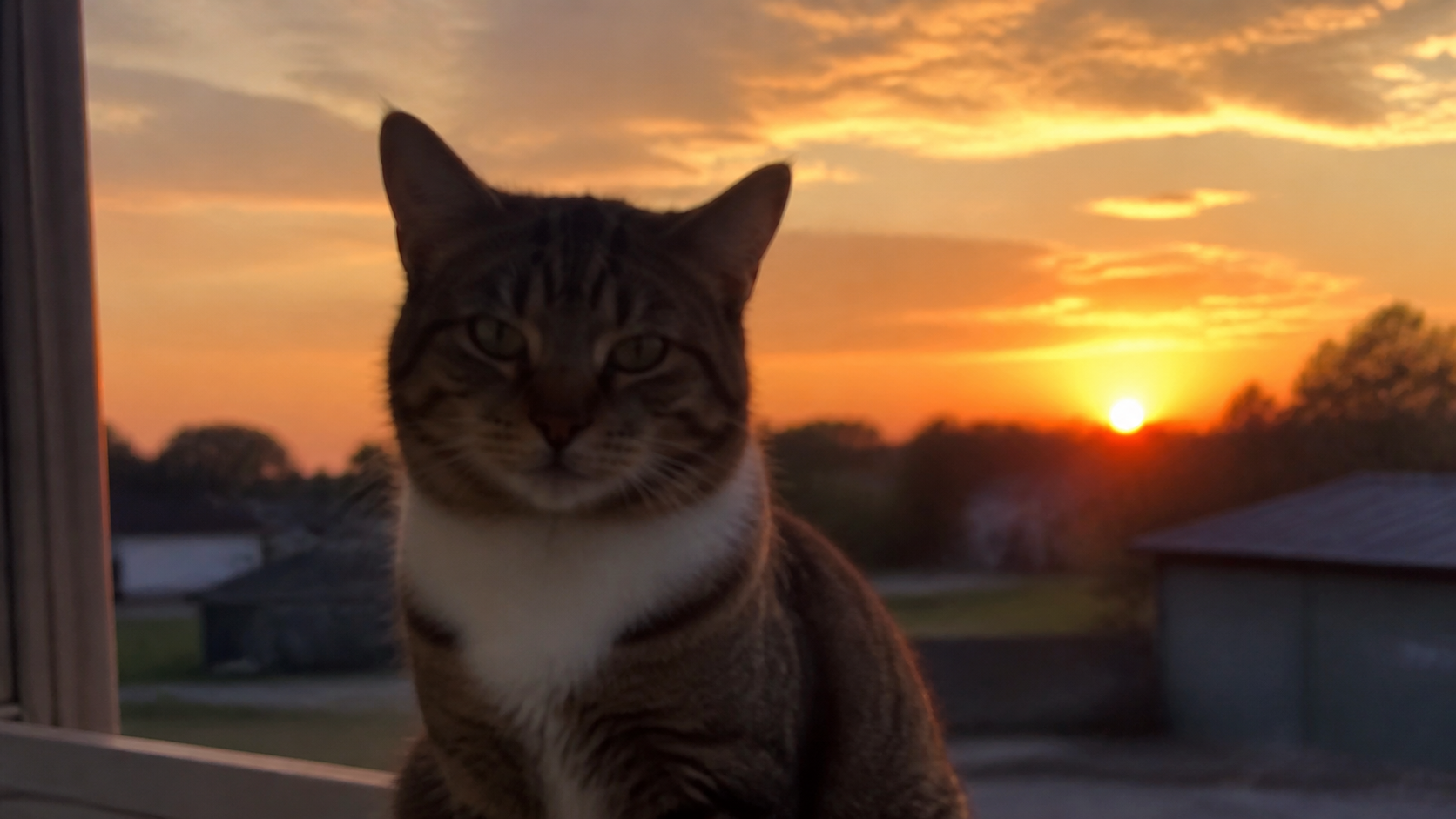
The calm people usually have a family photo, a vacation picture, a dog, a grandkid, a garden, or at least some evidence that they occasionally leave the comment section. The angriest commenters? A blurry cat. A sunset. Maybe a truck mirror. Maybe a flower taken in 2013. Nothing in the bio. No visible hobbies. No birthday cake. No human face. Just a profile picture that says, "I am emotionally represented by this overexposed sky."
Now, I am not saying a blurry cat at sunset means someone is unhappy.
Some of my favorite people could be blurry cats at sunset.
But there is something funny about the combination of "no personal details available" and "strong opinions about every single thing that has ever happened within township limits."
It makes you wonder: are these people too busy fighting ridiculousness to live a life? Are they out there protecting the town from bad parking, misspelled posts, school lunch menus, and anyone asking a question that could have been answered by scrolling for six seconds?
The truth is, there is real research behind why people act different online.
Psychologist John Suler wrote about something called the online disinhibition effect. Basically, people say things online that they would usually soften, rethink, or never say face-to-face. When you are behind a screen, invisible to the person you are talking to, it gets easier to act like your inside voice got laid off.
Other research has looked at anonymity, invisibility, and lack of eye contact. One study found that lack of eye contact was a major contributor to toxic online behavior. That checks out. It is a lot easier to type "educate yourself" to a profile picture than it is to say it to Linda while standing next to her at the grocery store.
Anonymity matters too. Research on newspaper comment boards found anonymous commenters were more likely to be uncivil than non-anonymous commenters. In plain English: when people feel less personally accountable, some of them start typing like they were raised in a comments section.
And anger gets rewarded. A study on social media found that moral-emotional language spreads farther. So a calm comment like "The meeting is Tuesday at 6" might get two likes. A furious comment like "This whole town has lost its mind" gets replies, screenshots, and three people saying, "Exactly."
That is the problem. The internet does not always reward the most helpful person. It often rewards the loudest one.
So the town can start looking meaner than it really is.
Most people are not commenting. Most people are just reading, sighing, and choosing peace because they have dinner to make. But the loudest people make it feel like they represent everybody. They do not.
Grass Lake is better than its worst comment thread.
That does not mean we cannot disagree. Small towns are supposed to disagree. We should argue about roads, taxes, schools, development, events, and whether the Mobil or BP choice reveals something spiritual about a person.
But maybe before we hit post, we ask:
- Would I say this to someone face-to-face?
- Am I adding information, or just adding fumes?
- Is this actually important, or am I auditioning to be the mayor of being mad?
Sometimes the answer is simple.
The road is closed until Tuesday.
The fireworks start at dusk.
The cat profile picture is not fooling anyone.
Drink some water.
Sources
- John Suler, "The Online Disinhibition Effect"
- Noam Lapidot-Lefler and Azy Barak, "Effects of anonymity, invisibility, and lack of eye-contact on toxic online disinhibition"
- Arthur D. Santana, "Virtuous or Vitriolic: The Effect of Anonymity on Civility in Online Newspaper Reader Comment Boards"
- William J. Brady et al., "Emotion shapes the diffusion of moralized content in social networks"
- Erin E. Buckels, Paul D. Trapnell, and Delroy L. Paulhus, "Trolls just want to have fun"